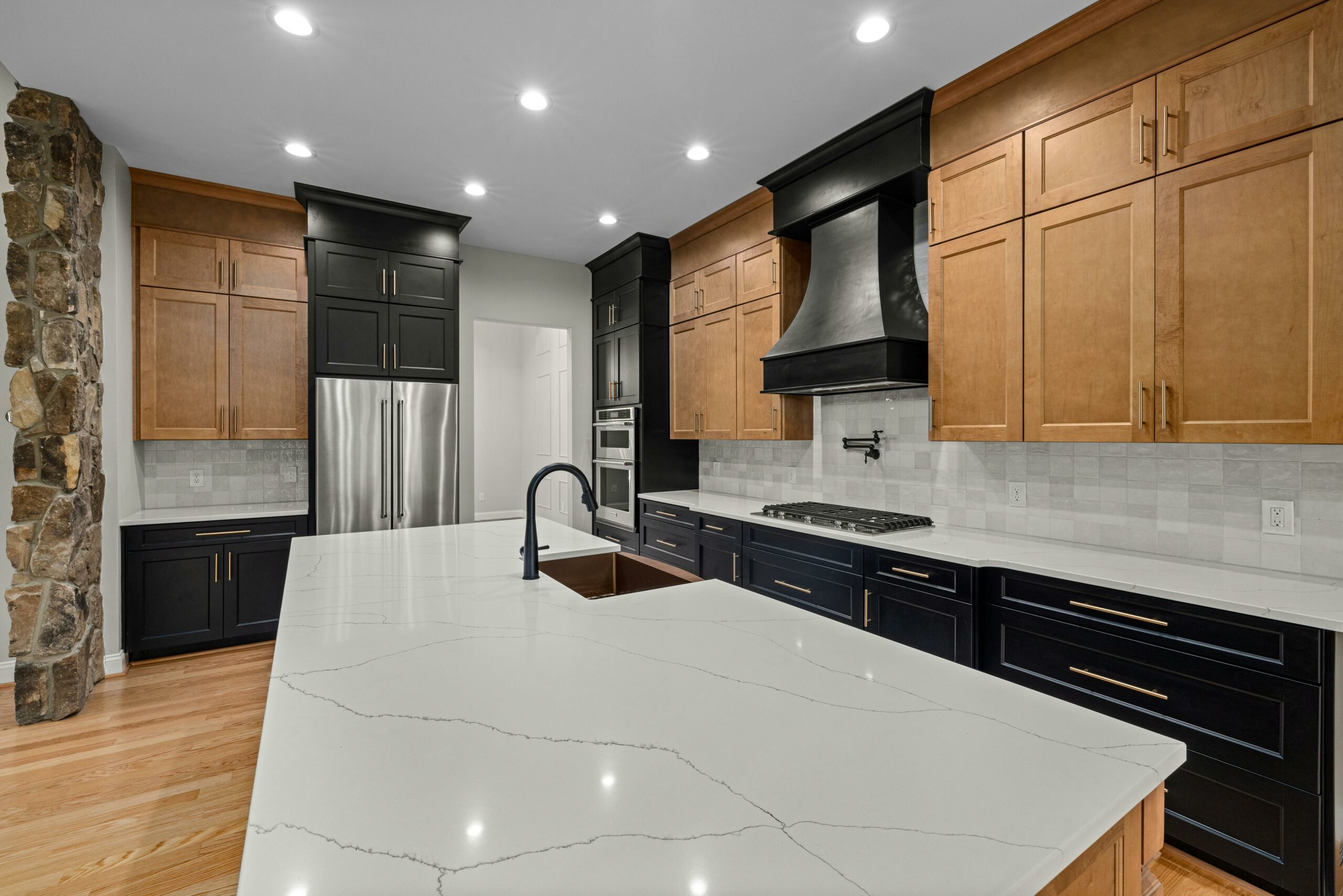
Granite and Quartz countertops are a significant investment. When installed correctly, they can last for decades with minimal maintenance. When installed poorly, however, cracks, chips, and structural failures can appear much sooner than expected, leading to expensive repairs or full replacement.
Many of these problems are not caused by the stone itself, but by mistakes made during installation. Professional granite installation is not just about placing the slab. It is about protecting your investment and avoiding future costs that homeowners often do not anticipate.
Why does the stone crack after installation?
Granite and Quartz are extremely strong, but they are not flexible. Once installed, it relies entirely on proper support and precise handling. When cracks appear weeks or months after installation, they are usually the result of structural stress rather than natural defects.
Common causes include uneven cabinets, poor seam placement, inadequate support over dishwashers or spans, and improper handling during transport or installation. These issues may not be visible immediately, but stress builds over time until the stone fails.
Professional installers are trained to identify and eliminate these risks before the countertop is ever set in place.

Cabinet leveling and structural support
One of the most common causes of granite and quartz cracking is uneven cabinetry. Even a small variation in cabinet height can create pressure points under the stone. Over time, this uneven load leads to fractures, especially near cutouts or seams.
Professional installation always begins with checking and leveling the cabinets. Installers verify that the base is flat, stable, and capable of supporting the weight of the stone. Reinforcement is added where necessary, particularly around sink areas and appliances. Skipping this step to save time often results in costly repairs later.
Proper handling during transport and placement
Stone slabs are heavy and fragile during handling. Improper lifting techniques or insufficient support during transport can introduce microfractures into the stone. These fractures may not be visible at installation but can expand under daily use.
Professional crews use specialized equipment and handling methods to support the slab evenly at all times. This reduces internal stress and prevents damage before the countertop is even installed.
Experienced installers also understand how to maneuver slabs safely through tight spaces without flexing or twisting the stone.
Correct seam placement reduces stress points.
Seams are unavoidable in many countertop layouts, but poor seam placement increases the risk of cracking. Seams located near sink cutouts, corners, or unsupported spans are more vulnerable to failure.
Professional installers plan seam locations strategically. The goal is to minimize stress concentration and ensure that seams are properly supported from below. High-quality adhesives and precise alignment further reduce the chance of movement over time.
Well-planned seams not only last longer but also reduce the likelihood of future separation or cracking.
Cutout reinforcement around sinks and cooktops
Sink and cooktop cutouts are the weakest areas of a stone countertop. These openings remove material and create natural stress points, especially when combined with heavy sinks or thermal changes.
Professional installation includes reinforcing these areas when needed and ensuring proper support underneath. This is particularly important for undermount sinks, which place additional load on the stone.
Without proper reinforcement, cracks often form radiating from the corners of the cutout.
Expansion gaps and long-term stability
Granite and quartz expand and contract slightly with temperature changes. If the countertop is installed too tightly against walls or other fixed surfaces, this movement can cause stress buildup.
Professional installers leave precise expansion gaps and use appropriate setting materials to allow controlled movement. This detail is often overlooked in low-quality installations and becomes a source of cracking months or years later.
Preventing costly repairs and replacements
Repairing cracked granite is expensive and not always successful. In many cases, the only solution is full replacement of the affected section or the entire countertop. These costs often exceed what a professional installation would have added to the original project.
Professional installation reduces the risk of:
- Structural cracks developing over time
- Seam separation or failure
- Damage around sinks and appliances
- Costly repairs or premature replacement
The result is a countertop that performs as expected for many years.
Why experience matters in granite installation
Granite installation is not a simple task. It requires technical knowledge, proper equipment, and hands-on experience. Small mistakes can lead to large financial consequences for homeowners.
An experienced installation team understands how stone behaves under load, how to manage stress points, and how to prevent long-term issues that are invisible at first glance.
A smarter way to protect your investment
Granite Masters USA provides professional granite fabrication and installation backed by over 20 years of experience. Our team focuses on precision, structural integrity, and long-term durability on every project.
By handling everything from templating to installation with attention to detail, we help homeowners avoid cracks, repairs, and unnecessary expenses.
If you are planning a new granite countertop or replacing an existing one, contact Granite Masters USA today for a professional consultation and a clear estimate. Proper installation now can save you thousands in future repairs.