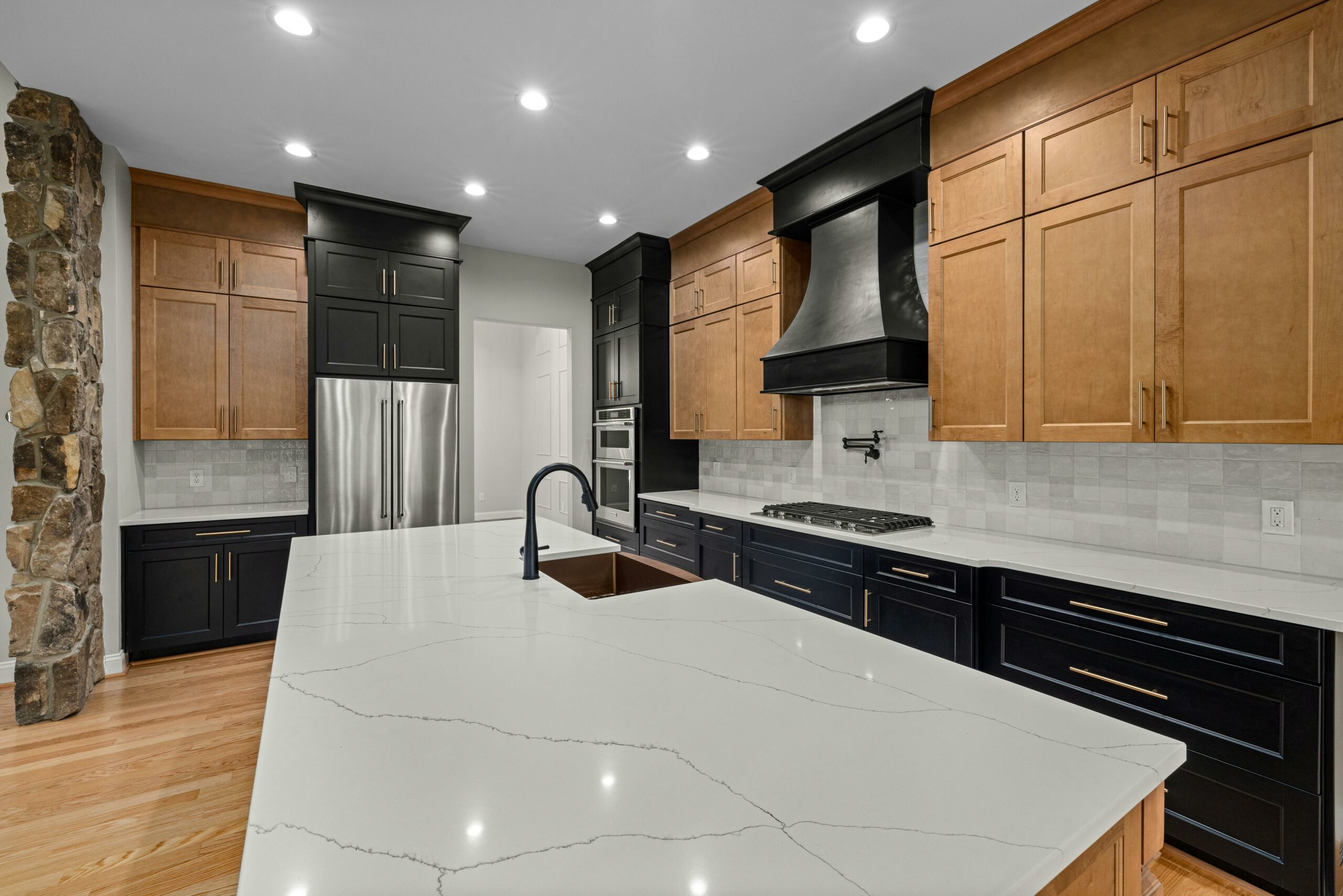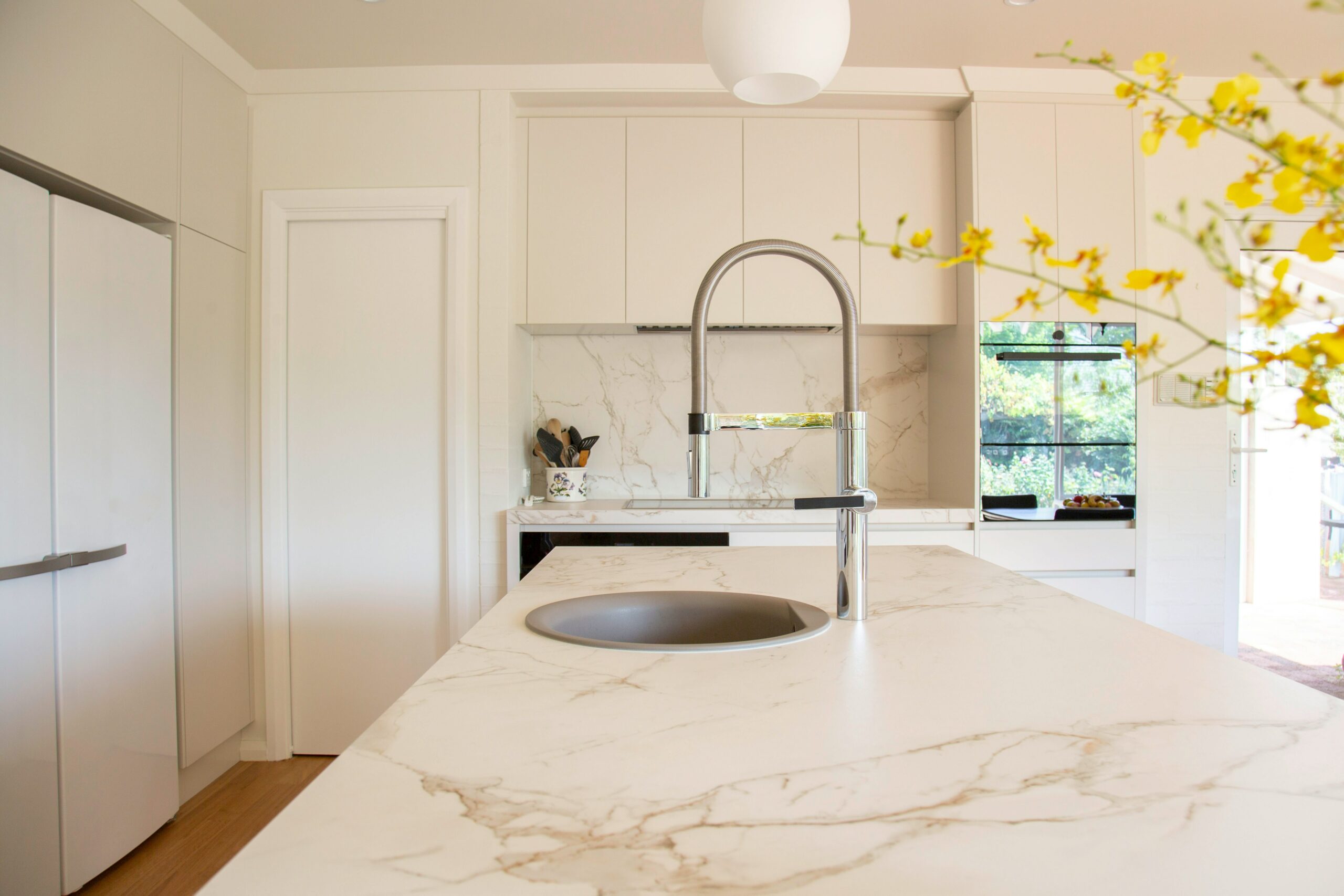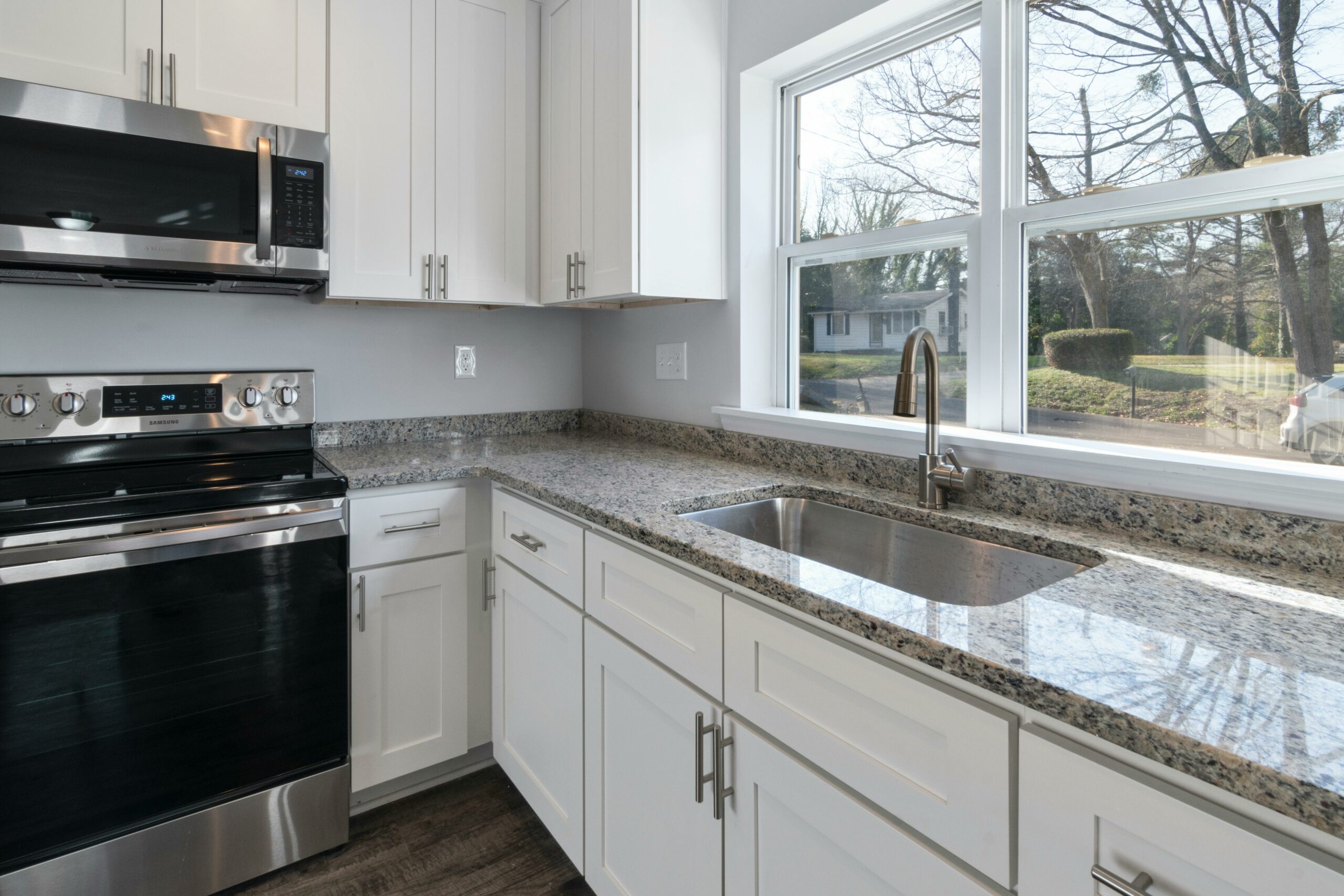
Many homeowners automatically think full cabinet replacement is the best option when a kitchen starts looking dated. The truth is that redesign and refacing often deliver similar visual impact while costing significantly less. Understanding when replacement makes sense and when it does not can help you avoid unnecessary expenses while still improving functionality and appearance.
Cabinet replacement involves demolition, disposal, new materials, installation labor, possible plumbing adjustments, and sometimes electrical modifications. These steps quickly increase the final price. Redesign and refacing, on the other hand, focus on keeping the existing cabinet structure while updating doors, finishes, hardware, and layout details that influence how the kitchen looks and functions.
This approach often cuts project time and material costs while still providing a fresh, updated result.
Situations where replacement becomes unnecessarily expensive
Many kitchens have cabinet boxes that are structurally solid. In these cases, replacement can add thousands of dollars in costs without delivering proportional benefits. Some common scenarios include:
- Cabinets with good internal structure but outdated door styles
- Kitchens where the layout works well, but the aesthetics feel old
- Projects focused mainly on resale preparation rather than full remodeling
- Homes where budget control is a priority, but visual improvement is still important
Redesign can include new doors, updated finishes, modern handles, soft-close hinges, interior storage upgrades, and layout adjustments. These changes improve daily usability while keeping installation simpler.
Refacing also reduces construction disruption. Full replacement often means days of demolition dust, temporary loss of kitchen functionality, and coordination with multiple contractors. Refacing projects are typically faster and easier to manage.
Financial advantages homeowners often notice
When refacing or redesign is viable, homeowners usually benefit in practical ways:
- Lower material costs compared to full cabinet replacement
- Reduced labor time and installation complexity
- Faster project completion, limiting household disruption
- Improved resale appeal without major remodeling investment
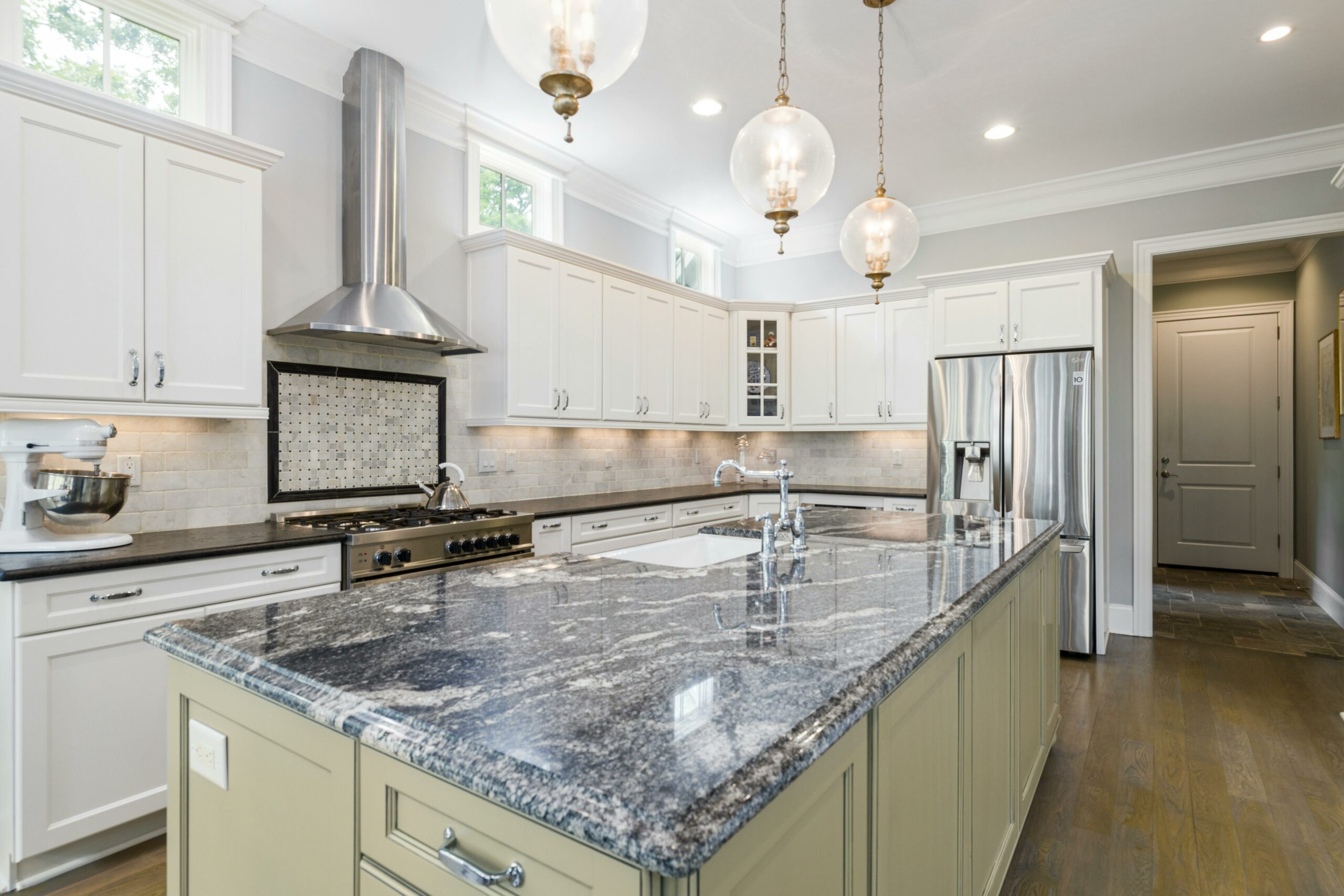
Another factor is countertop compatibility. Keeping cabinet bases stable often simplifies countertop installation and reduces the risk of measurement or fitting delays. This can help keep the overall kitchen project on schedule.
For homeowners preparing a property for sale, cabinet redesign frequently offers a strong return. Buyers notice updated kitchens, but they rarely distinguish between full replacement and high-quality refacing when the finish looks modern and well executed.
When full replacement actually makes sense
There are cases where replacement is the better option. Cabinets with water damage, structural instability, poor original installation, or layouts that do not meet current needs may require a complete change. If storage efficiency is severely limited or appliance placement needs modification, replacement may deliver better long-term value.
However, many kitchens do not fall into this category. Evaluating structure, layout, and budget goals before committing to replacement helps prevent overspending.
Choosing redesign or refacing when appropriate allows homeowners to modernize their kitchen, control costs, and improve property value without unnecessary demolition. A professional evaluation can clarify which option delivers the best financial and practical outcome for your specific project.